Carenyx Spine
Spine care that explains itself
Understand your back and neck, move safely, and recover well — with clear, doctor-reviewed guidance. A spine specialist is a message away when you need one.
What brings you here today?
Find your real next step
I have back or neck painA few questions, then the exact real resources for where you are right now.
I want to understand my diagnosisReal, evidence-based guidance for every major spine condition we cover.
I'm considering or preparing for surgery21 procedures explained, plus 103 real questions patients actually ask.
I'm recovering from surgeryA real day-1-to-month-6 recovery roadmap, with nutrition and fitness guidance alongside.
I want to rebuild my strength safely12 real, evidence-based guides — plus the complete CARENYX Fit library beyond them.
I want to talk to a specialistRequest a real consultation with Dr. Vishal Nigam — video or in person.
Also useful: CareNyx Fit · Bone health nutrition · My Spine Dashboard
Browse by Condition
The complete reference list — real, evidence-based guidance across every major spine condition, each with related articles and exercises.
Neck Pain
The large majority of neck pain is non-specific and improves with staying active and targeted exercise — not rest.
Explore the Neck Pain Knowledge CentreRelated Articles
Cervical Slip Disc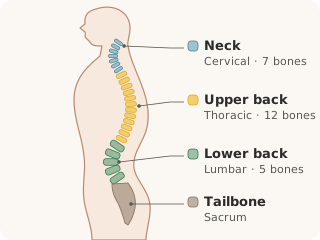
Back Pain
Most low back pain has no single identifiable structural cause and responds well to real, evidence-based active management.
Explore the Back Pain Knowledge CentreRelated Articles
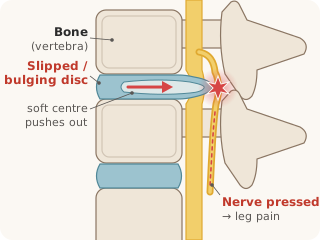
Slip DiscSlip Disc
A disc herniation pressing on a nearby nerve — most cases improve with conservative treatment alone.
Explore the Slip Disc Knowledge CentreRelated Articles
Sciatica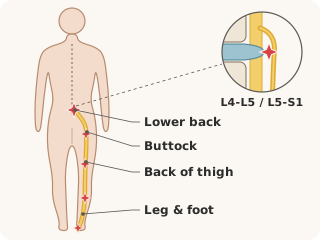
Sciatica
Pain radiating along the sciatic nerve, from the lower back into the leg — real, specific nerve-gliding exercises help.
Explore the Sciatica Knowledge CentreRelated Articles
Slip DiscRelated Exercises
Sciatic Nerve Glide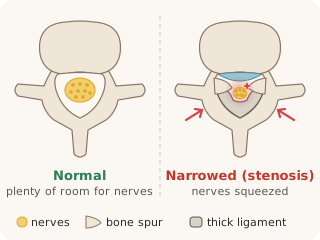
Spinal Stenosis
Narrowing of the spinal canal, most commonly causing leg pain that eases when leaning forward or sitting.
Explore the Spinal Stenosis Knowledge CentreRelated Articles
SpondylolisthesisRelated Exercises
Lumbar Mobility (Seated Forward Lean)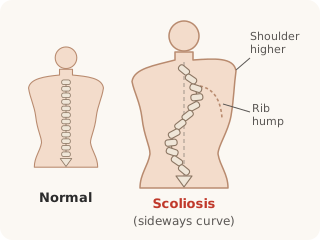
Scoliosis
An abnormal spinal curve — most cases need only monitoring, and real evidence does not support backpacks or posture as causes.
Explore the Scoliosis Knowledge CentreRelated Articles
Osteoporosis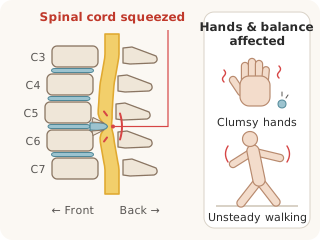
Cervical Myelopathy
Spinal cord compression in the neck — more serious than a pinched nerve, and usually treated with surgery once significant.
Explore the Cervical Myelopathy Knowledge CentreRelated Articles
Cervical Slip Disc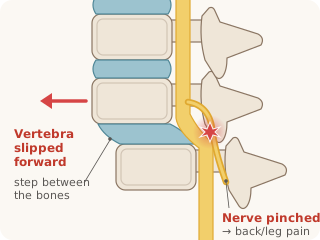
Spondylolisthesis
Forward slippage of one vertebra over another, graded I through V — many lower-grade cases cause no significant symptoms at all.
Explore the Spondylolisthesis Knowledge CentreRelated Articles
Spinal Stenosis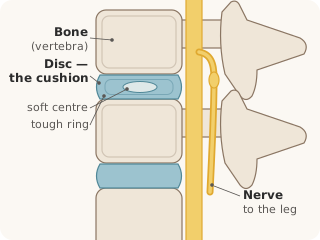
Spine Surgery
From microdiscectomy to fusion — 21 procedures explained, when surgery actually becomes necessary, and what to ask your surgeon.
Explore the Spine Surgery CentreRelated Articles
Spine Recovery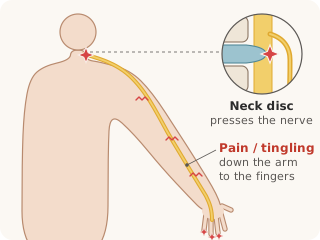
Cervical Slip Disc
A disc herniation in the neck pressing on a nearby nerve — most cases improve with conservative treatment alone.
Explore the Cervical Slip Disc Knowledge CentreRelated Articles
Cervical MyelopathyRelated Exercises
Neck Mobility (Chin Tucks)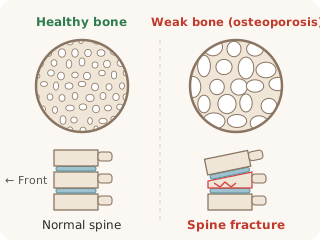
Osteoporosis
Bones becoming less dense and more fragile, often with no symptoms until a fracture happens — real, practical bone-health guidance and a self-check.
Explore the Osteoporosis Knowledge CentreRelated Articles
Scoliosis
Recovery
Real, week-by-week guidance from Day 1 through Month 6 after spine surgery — walking goals, wound care, red flags, and more.
Open the Recovery CentreRelated Exercises
Walking Programme
Exercise Library
40 real, medically reviewed exercises across mobility, strength, flexibility, and recovery — every one with real technique and safety guidance.
Browse the Exercise LibraryRelated Exercises
Explore the Spine Fitness HubFAQs
112 real, evidence-based answers to the questions patients actually ask about neck and back pain.
See all 112 FAQsExplore Your Spine
Click any level to see clinical notes for it — ported from the original interactive 3D spine model's clinical dataset.
Cervical Spine (C1–C7)
Thoracic Spine (T1–T12)
Lumbar Spine (L1–S1)
Sacrum
Lumbar Spine (L1–S1)
L5
Big toe · Dorsum of foot · Most common
About this level
L5 is the most commonly affected lumbar nerve root. It causes the classic "sciatica" pattern: pain from the back through the buttock, down the outer leg to the big toe. Weakness of big toe extension (EHL) is the key motor finding. L4-L5 is the single most operated lumbar level.
Common conditions
Most commonSurgery often avoidable
L4-L5 disc herniation · L5 radiculopathy · Foot drop · Piriformis syndrome
Nerve root distribution
L5Dorsum of foot, big toe, outer shin
L5Motor: EHL (big toe extension), glutes
Dr. Nigam's clinical note
Foot drop from L4-L5 disc herniation is one of the stronger surgical indications — motor weakness that is progressive shouldn't wait for a full conservative trial. But isolated L5 pain, even severe, often resolves without surgery.
#1
Operated lumbar level
Big toe
Key weakness test
Free Spine Health Index
11-pillar assessment
An 11-pillar spine health check — walking fitness, strength, balance, mobility, sleep, and more, scored from your own answers.
Take the Assessment →Frequently Asked Questions
FAQ
What actually causes most back pain?
The vast majority of back pain is "non-specific" or mechanical — caused by strain on the muscles, ligaments, and joints of the spine from ev…
Jul 20, 2026
FAQ
What causes neck pain most commonly?
Most neck pain comes from muscle strain — poor posture, sleeping in an awkward position, or prolonged screen use — rather than a structural …
Jul 20, 2026
FAQ
Can poor posture really cause back or neck pain?
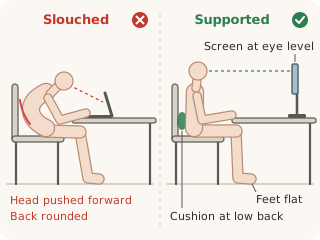
Yes — sustained poor posture (like prolonged forward head position while looking at a screen, or slouched sitting) increases mechanical load…
Jul 20, 2026
FAQ
Does a desk job actually cause back pain?
Prolonged sitting, especially with poor posture or an unsupportive chair, is a real, well-documented contributor to back pain — not because …
Jul 20, 2026
FAQ
Can stress cause physical back pain?
Yes — stress can increase muscle tension, particularly around the neck and shoulders, and is a real, recognized contributor to musculoskelet…
Jul 20, 2026
FAQ
Is my back pain caused by my mattress?
A mattress that's too soft or too firm for your body can contribute to morning back stiffness or pain, though it's rarely the sole cause of …
Jul 20, 2026
Request a consultation with a spine specialist
Choose an in-person visit at either clinic, or an online video consultation.
Request an Appointment →